Scientists have achieved a significant breakthrough by mapping the Y chromosome for the first time, providing insights that could lead to treatments for male-specific cancers and fertility issues.
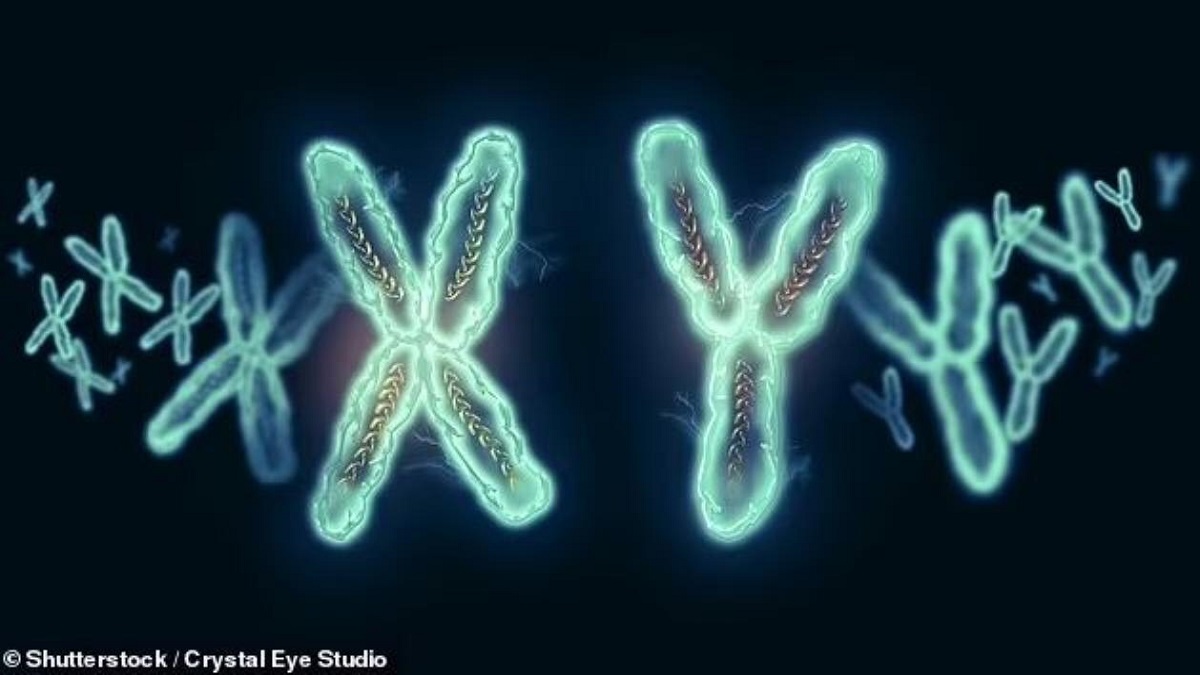
The Y chromosome, responsible for distinguishing males from females and involved in sperm production, was only partially sequenced in 2003. The new mapping has revealed over 62 million DNA base pairs, including 41 previously unidentified protein-coding genes.
This advancement is crucial in understanding the genetics behind male-specific diseases. Men can lose portions of Y chromosome genetic material as they age, which has been linked to increased risks of cancer, heart disease, Alzheimer’s, and infertility due to reduced sperm counts.
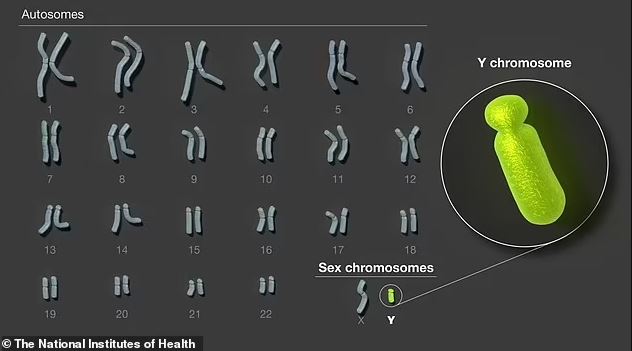
The mapping process was complex due to the Y chromosome’s unique structure, featuring palindromes (sequences that read the same forwards and backwards). The T2T Consortium, funded by the National Human Genome Research Institute (NHGRI), utilized advanced DNA sequencing technologies and assembly methods to complete the mapping.
The newfound knowledge enables the study of Y chromosome sequence patterns, aiding in understanding genome evolution. The reference sequence has also allowed researchers to study Y chromosomes from individuals with African ancestry, revealing shared ancestors from about 183,000 years ago and diverse Y chromosome sizes.
While treatments for Y chromosome-related diseases may not be immediate, this comprehensive mapping provides a crucial blueprint for future research and potential therapies.