In this compilation I will be adding the strangest or most impressive artifacts that have been found and placed in museums. I will be updating as I find out more so be sure to bookmark this URL to come back later.
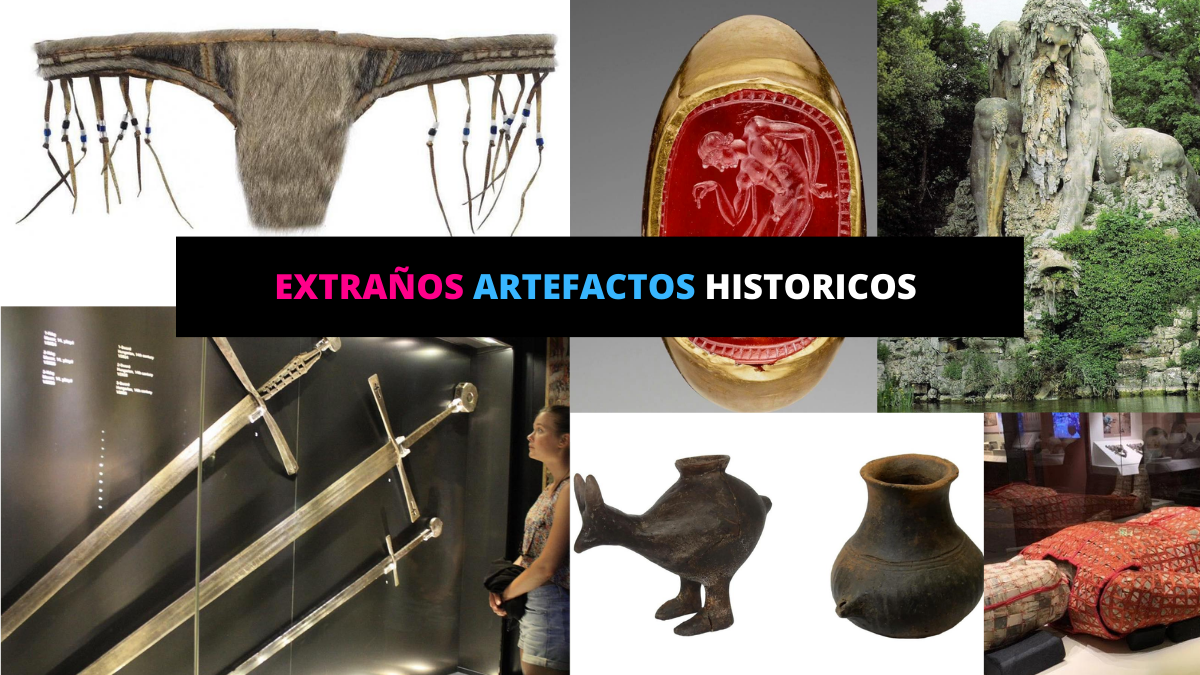
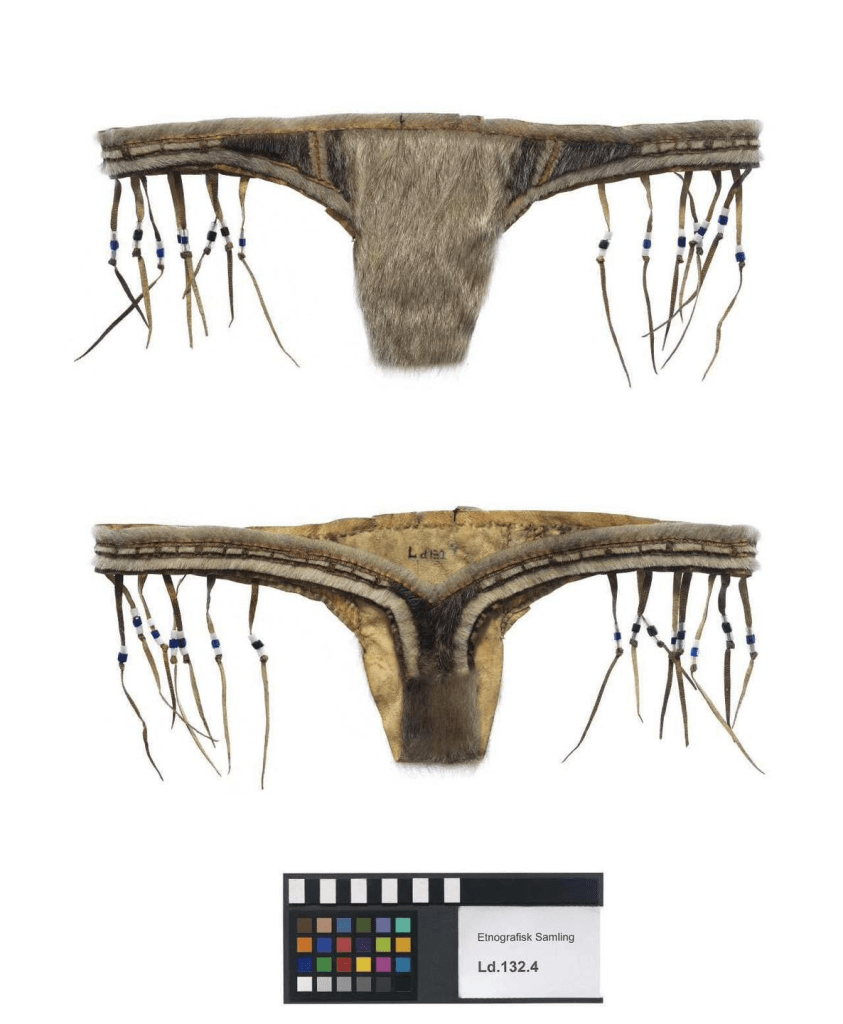
Sealskin thongs. Nineteenth century. East Greenland Inuit.
The exquisite and elegant braided hair of the caryatids. 421-406 BC. Erechtheion/Acropolis of Athens, Greece.

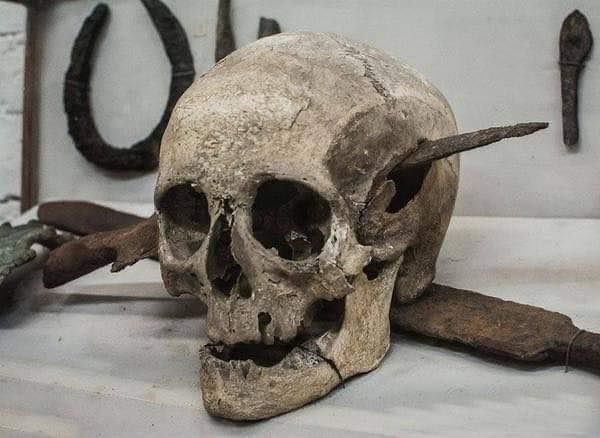
The skull of a Roman soldier who died during the Gallic Wars. 1st century B.C.
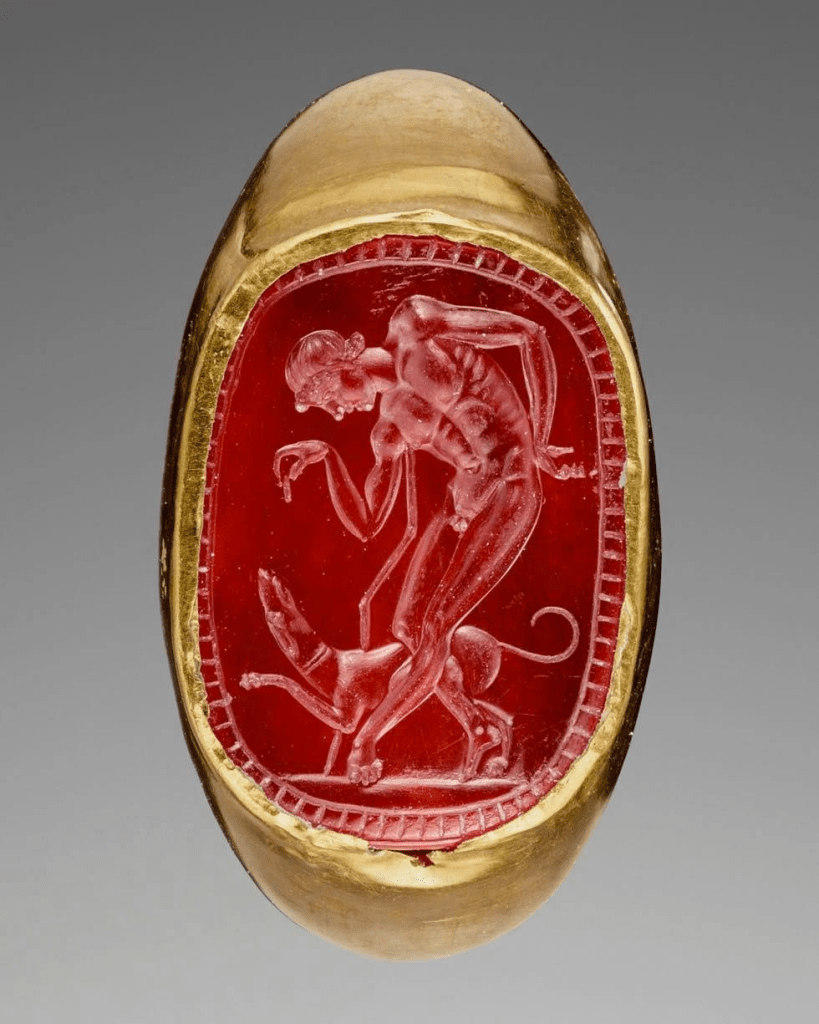
Roman ring with engraved carnelian gemstone depicting a young man and his dog, dated 3rd-2nd century BC.
The olive tree of Vouves, Crete. This tree, which has a trunk 15 feet in diameter, is at least 2,000 years old and probably 2,900 years old, according to the cemetery found nearby.

In the Topkapi Palace Museum in Istanbul, swords of Hungarian origin dating back to the 14th century are on display. A massive sword stands out in the center, which is the largest and measures 270 cm long.

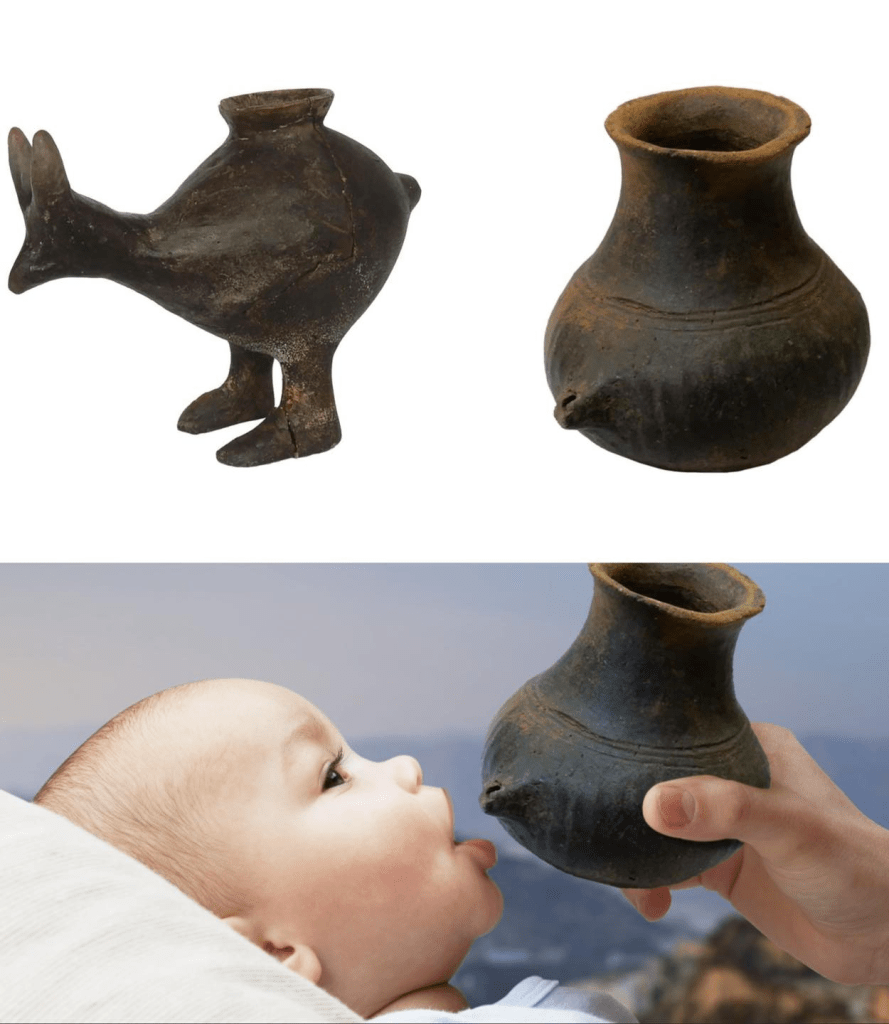
Late Bronze Age bottles from Austria, dated to around 1200-800 B.C. Similar vessels were found throughout Europe, and some of them still had ruminant milk residues inside, suggesting that it may have been used as a supplementary food during weaning.
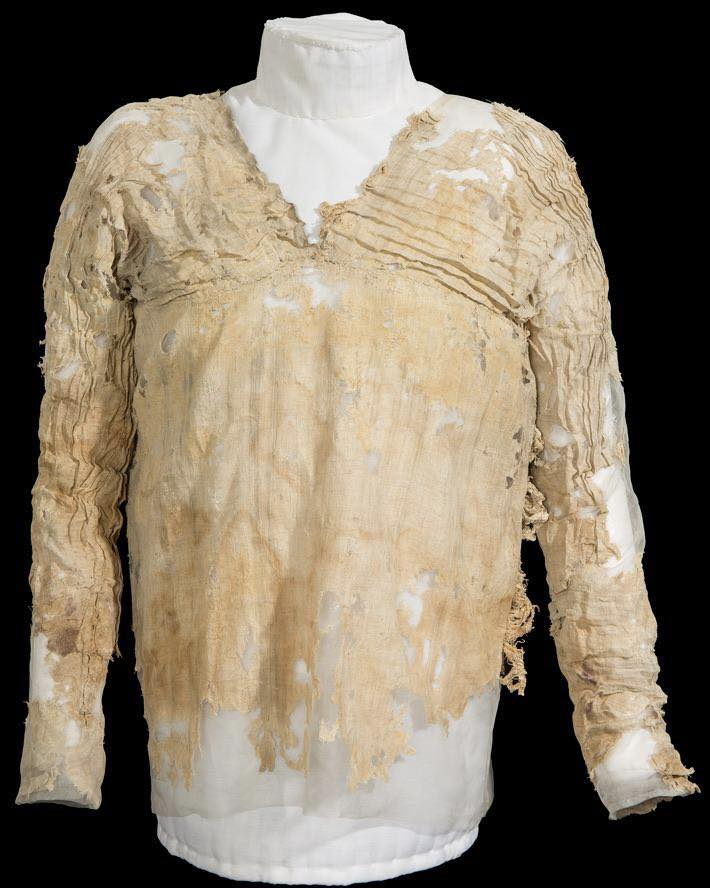
Radiocarbon dating of the Tarkhan dress, named after the city in Egypt where it was found in 1913, determined that the finely crafted linen garment dates to between 3482 and 3103 BC, making it the oldest woven garment in the world.
The Apennine Colossus is a 10.67 meter statue made by Giambologna in 1579-80, now located in the Villa di Pratolino in Tuscany.

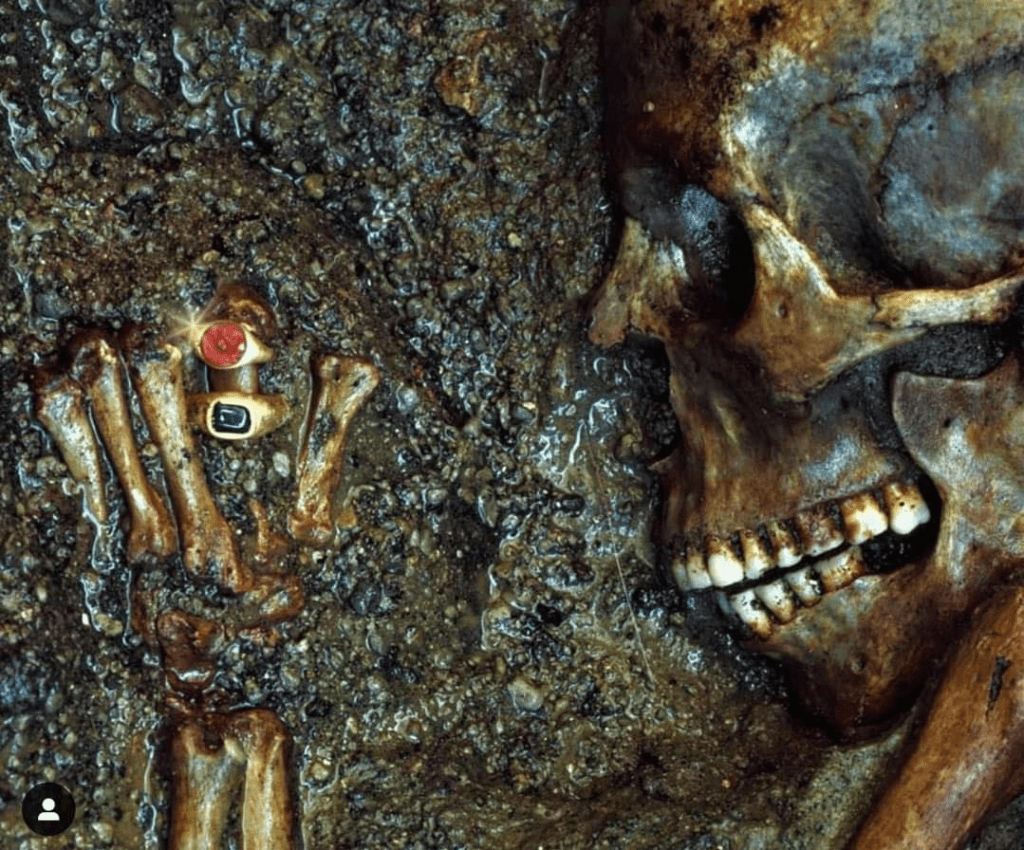
The “Lady of the Ring” of Herculaneum, a Roman woman around 45 years old who died during the eruption of Mount Vesuvius in 79 A.D. She was found surrounded by her gold jewelry and still wore two gold rings on her left hand.
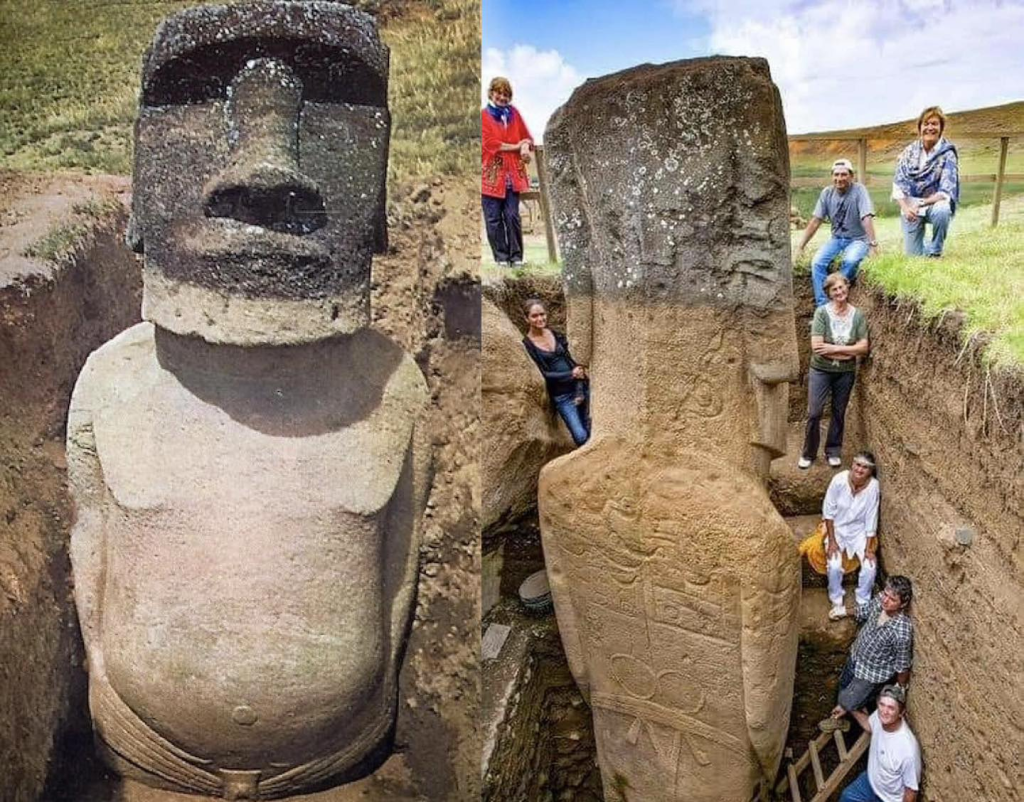
The buried bodies of Easter Island’s iconic basalt moai, built by the Rapa Nui people between 1250-1500 CE, with petroglyphs carved on their backs.